Si Farm / Cư M'gar, Đắk Lắk, Vietnam
WE GROW ROBUSTA.
WE STUDY IT.
WE CONTINUE TO IMPROVE IT.
A coffee farm working with the land of Cư M'gar, in Vietnam, to grow the quality of Fine Robusta and the future that lies beyond it.
We tell our trees apart block by block, harvest by watching the fruit ripen, and keep a record of cultivation and processing for every lot. Quality, we believe, comes from the precision of these small daily tasks and from repeating them.
Not for one score, or one harvest, but so that good coffee can go on being made on this land. Si Farm keeps looking for the quality robusta is not yet known for, and for the flavour that belongs only to Cư M'gar.
- Species
- Coffea canephora (Robusta)
Coffea arabica - Region
- Cư M'gar, Đắk Lắk
- Altitude
- 550 m
- Farming
- Agroforestry
No chemical pesticides
01 / The farm
From a single cup, to a farm.
Si Farm began the wrong way round. The café did not come after the farm, built to serve what the farm had grown. It came first.
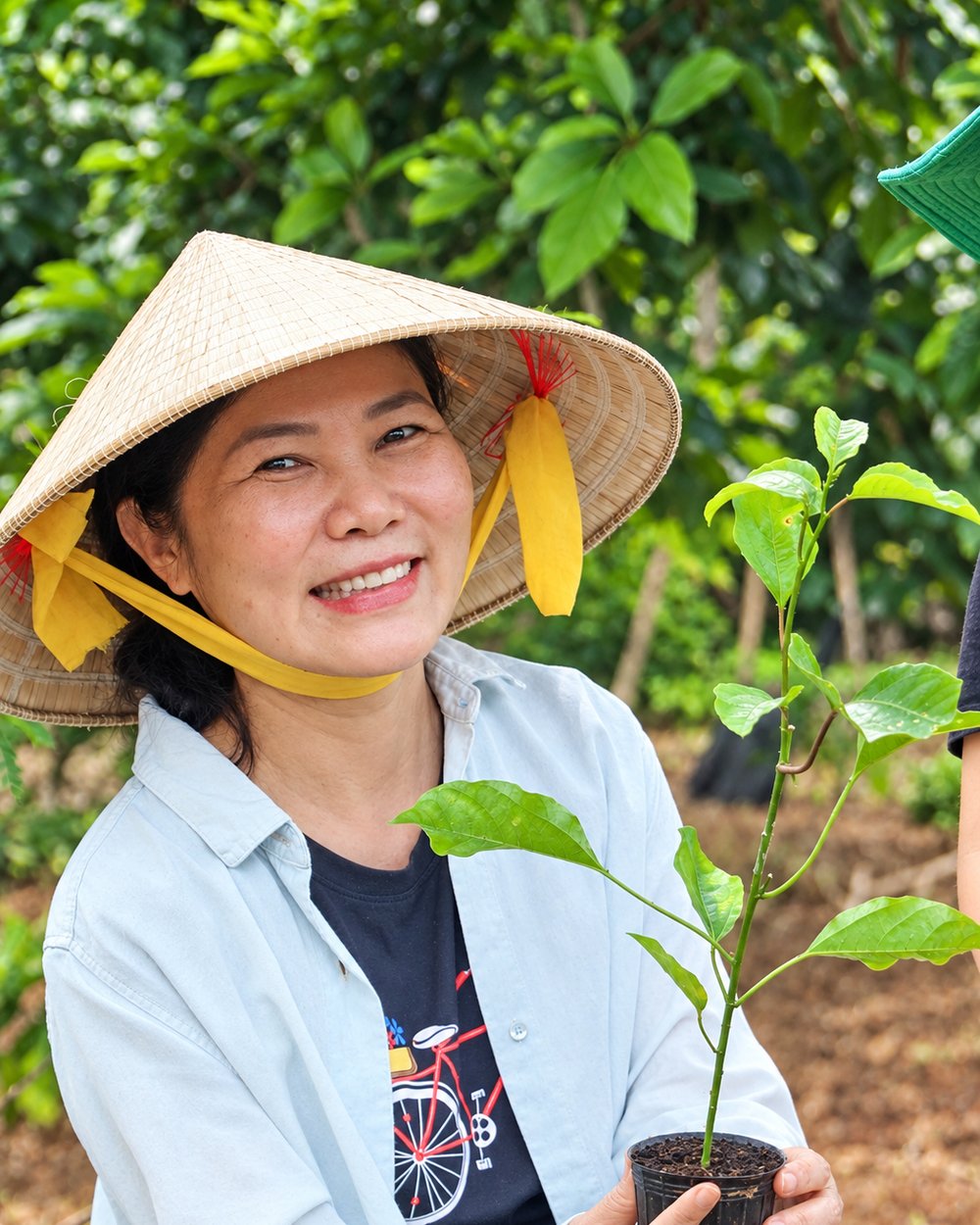
More than ten years ago, Dương Nữ Thiên An opened Si Café in Ho Chi Minh City — a small room in a quiet alley in District 1, where she arranged the seats, put in plants, and set out to make a good place to drink a cup of coffee. What she did there was choose: find the better lots arriving from Vietnam's growing regions, and serve them well.
As the shop grew, her attention moved past the cup. Two Vietnamese coffees from different land tasted different. So did the same land handled differently — by how the trees were grown, by which cherries were picked, by the judgement of the person picking, by fermentation and drying. And there was a question she could not answer for the people sitting at her tables: where did this actually come from?
In 2019 she bought land on the red basalt soil of Cư M'gar, in Đắk Lắk. That first year went into preparing the ground; the trees went in the following year. Coffee stopped being something she selected and became something she grew with a place.
She had spent more than twenty years running businesses in information technology; farming had to be learned from the beginning. But what the farm was for was clear from the start — understand the land before trying to change it, protect the soil so the trees stay healthy, use the little water there is carefully, and treat the grass, the insects, the birds, the microbes, the coffee trees and the people as parts of the same farm.
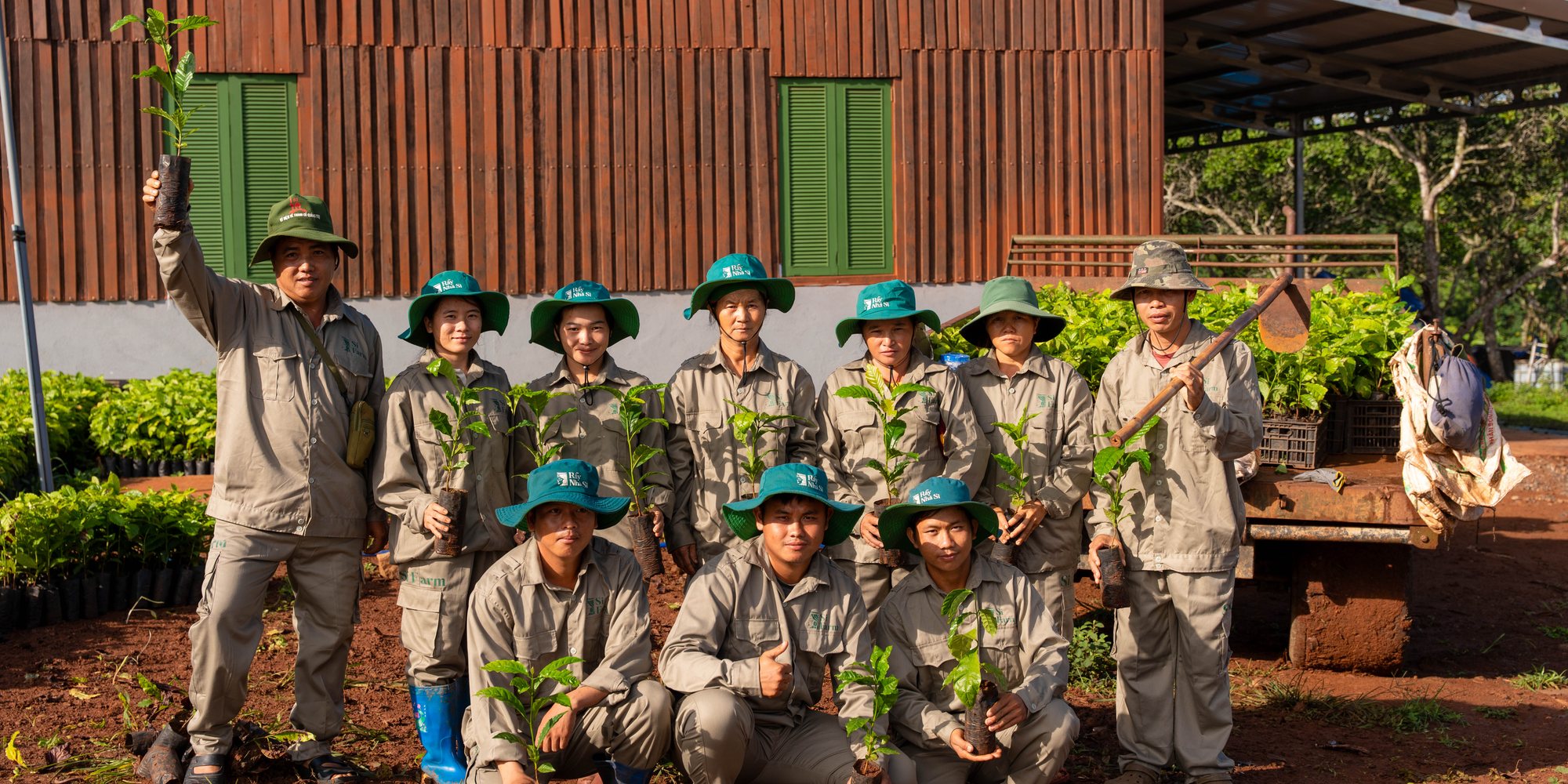
Around thirty people work here now. Sơn, who grew up on this plateau and knows the ground, leads the cultivation.
Read the founder's full letter →We are not growing coffee for a single harvest. We are growing the coffee of the future.
- Land prepared / planted
- 2019 / 2020
- Farm area
- 16 ha
- Lead cultivation
- Sơn
02 / Fine robusta
Robusta has a quality that is not yet known.
Coffea canephora, commonly called robusta, has supported world coffee production for a long time. Its quality and its diversity are still not well understood.
Cheap coffee. Something roasted dark to make bitterness. Filler to bulk out a blend. Robusta has been described in those terms for decades. Every year on the farm we confirm that this is not all canephora is.
Grow the trees in healthy soil. Judge the ripeness of the fruit before picking it. Remove the unripe and the defective carefully. Record how fermentation and drying move, and cup the result. Then take what you learned back to the farm. Repeat that with enough care and canephora shows sweetness, body, aroma, a long finish, and differences that come from the land and the tree.
Si Farm is not trying to make robusta resemble arabica. Robusta has a quality of its own — a full sweetness and texture, notes suggesting fruit, cacao and spice, and a character that changes with the ground it grew on, the tree it came from and the week it was picked. Making those clearer in the cup, rather than covering them, is what we mean by Fine Robusta.
So processing, for us, is not a way to manufacture strong flavour. First know the land. Know the tree. Know the cherry. Then look for the growing, picking and processing that will not damage what each already has.
Blocks differ inside one farm. Two trees of the same species differ in habit, in cherry, in when they ripen, in what appears in the cup. We do not flatten those differences out. We observe them, record them, and try to understand them. That is what terroir means here.
We do not intend to change robusta's reputation with words. We raise the precision of the daily work, improve the harvest and the processing, have the result assessed objectively, and return that to the next crop. Si Farm is entered in the Vietnam Amazing Cup 2026, run by the Buon Ma Thuot Coffee Association, with three lots.
要確認 / TO VERIFY — any claim of consistent high placing at competitions still needs a source: which competition, which year, which lot, what score. Until then this page states only what can be checked.
03 / The land
The farm stands on red earth.
Cư M'gar, in Đắk Lắk province, in Vietnam's central highlands. Si Farm sits on red soil that weathered out of basalt over a very long time. This basaltic red earth is what has carried coffee growing in the region.
Soil is not the only thing shaping this place. A season of rain and a season with almost none. Strong sun, and the shade of trees that softens it. Water held in the ground, and the little of it available in the dry months. Where wet and dry divide this sharply, the coffee trees keep the year's rhythm with them — flowering, setting fruit, and taking their time to ripen.
We do not treat any of this as a list of growing conditions. Soil, water, climate, the plants, and each individual tree: the relationship between them is what makes the flavour of that year, that block, that lot.
Not every part of the farm is the same. Follow the small differences and they show up in when the cherries ripen, in when we pick, and in the cup. We start by observing and recording them rather than erasing them.
Terroir, here, is not a way of speaking beautifully about land. It is watching the same ground every year, looking at the trees, keeping the harvest separate as lots, processing, cupping, and taking the result back to the block and the tree.
The land does not give the same answer every year. Rainfall changes, temperature changes, flowering changes. So we observe, record and keep learning. Making good coffee begins with knowing the place it comes from.
- Location
- Cư M'gar, Đắk Lắk, Vietnam
- Altitude
- 550 m
- Soil
- Basaltic red soil, of volcanic origin
- Annual rainfall
- TBC mm
- Dry / wet season
- TBC
- Farm area
- 16 ha
- Blocks
- TBC
Confirmed against farm records before publication. We do not print estimates.
04 / The coffee plants
Quality begins with the difference between one tree and another.
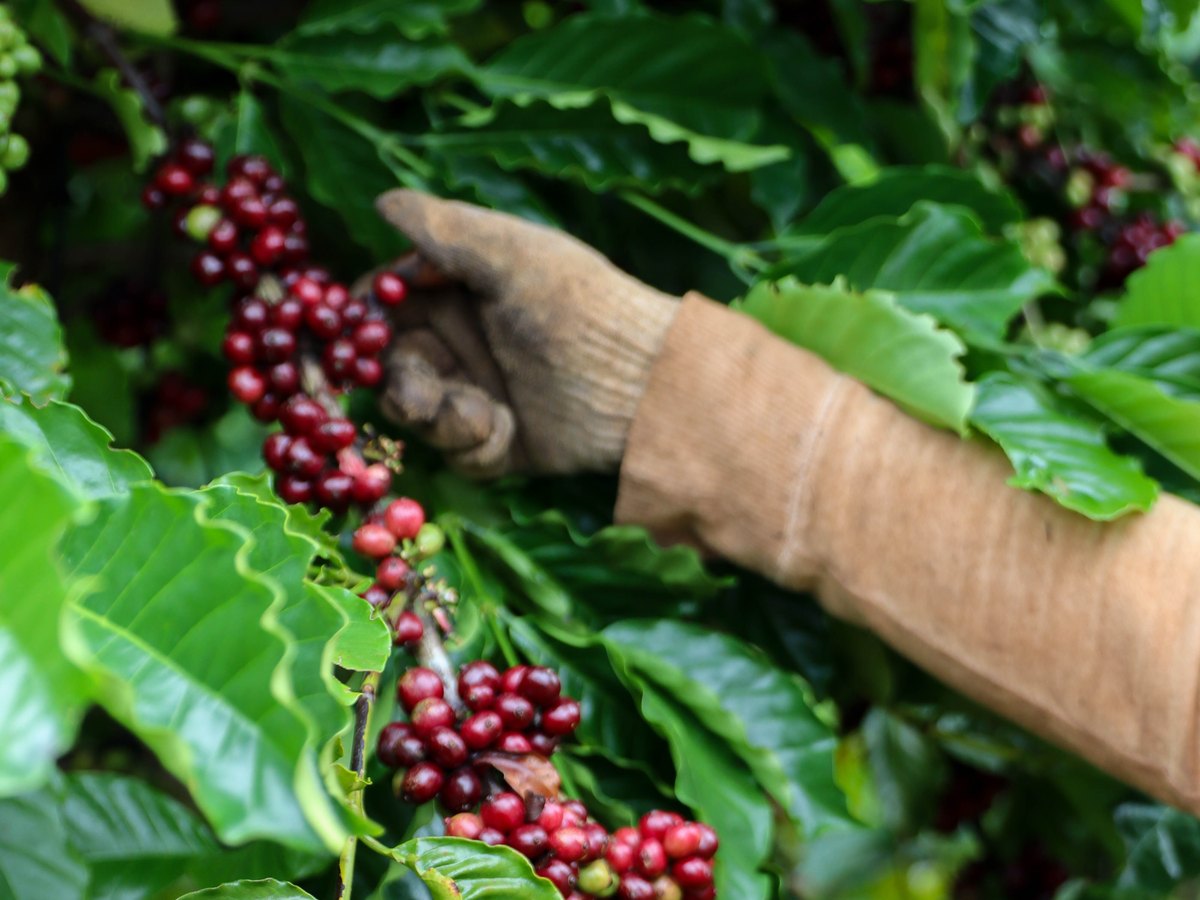
Walk the farm and it becomes clear that not every Coffea canephora is the same tree. The shape of the leaf and the new shoot. The habit of the tree. The size and colour of the cherry. When the fruit matures. And the character that appears in the cup.
We do not let those differences pass. We keep trees and lines with distinct characteristics separate, and we go on watching them.
What matters is not attaching a variety name the moment a difference appears. It is knowing the tree first. How does it grow. When does it flower. What kind of cherry does it carry. What does the coffee from it taste like. Only through that accumulation do we come to understand what a tree actually has.
Where genetic identification is not complete, we do not assign a definitive variety name. Those trees are managed under a farm reference or block number, and we accumulate the characteristics we can observe alongside the cupping record.
Not turning what we do not know into something we do know. That is part of how we work.
A tree without a confirmed name is not a tree without value. A slow-maturing tree. One carrying larger cherries. One that ripens at a different time. Somewhere in those differences may be what Fine Robusta becomes next. So we do not hurry to consolidate them. We keep them, compare them, and go on watching.
What we want to know is not only what a tree is called, but what this tree becomes as coffee, on this land.
要確認 / TO VERIFY — number of canephora lines and selections currently preserved and under observation. The existing Si Cafe site says "more than 20 species"; the count needs confirming and the wording corrected, since robusta is one species and what the garden holds are lines within it.
-
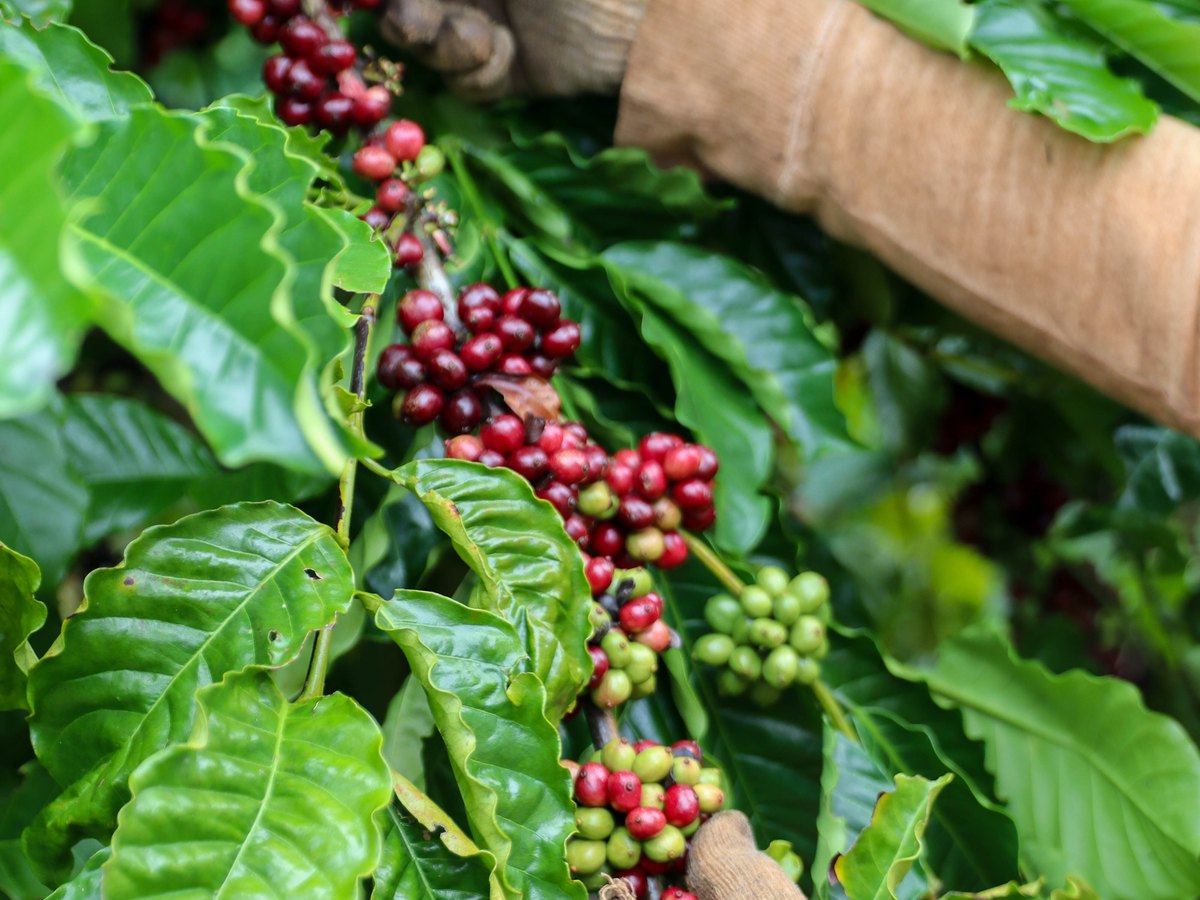
Block A
Farm Selection 01
- Species
- Coffea canephora
- Identification
- IN PROGRESS
- Harvest
- TBC
- Observed
- Large bean, tends to mature late
under continued observation
-
Block B
Local Line 02
- Species
- Coffea canephora
- Identification
- IN PROGRESS
- Harvest
- TBC
- Observed
- Held as a regional line, early ripening
basis for "regional" to be confirmed
-
Block C
Arabica Block
- Species
- Coffea arabica
- Variety
- TBC
- Harvest
- TBC
- Observed
- Small block
For canephora lines whose genetic identification is not complete, Si Farm does not publish definitive variety names or genetic classifications. We preserve the trees, accumulate observation and cupping records, carry out genetic analysis where it is warranted, and update as each piece is confirmed.
05 / Harvest & process
“Hand-picked” explains nothing.
When to pick. Which cherries to pick. What to leave and what to take out. How many hours pass before the next stage begins. Where to end fermentation and when to call the drying finished. Each small judgement runs through to the last cup.
We do not believe one special processing technique makes quality. Quality comes out of the accumulation of daily decisions.
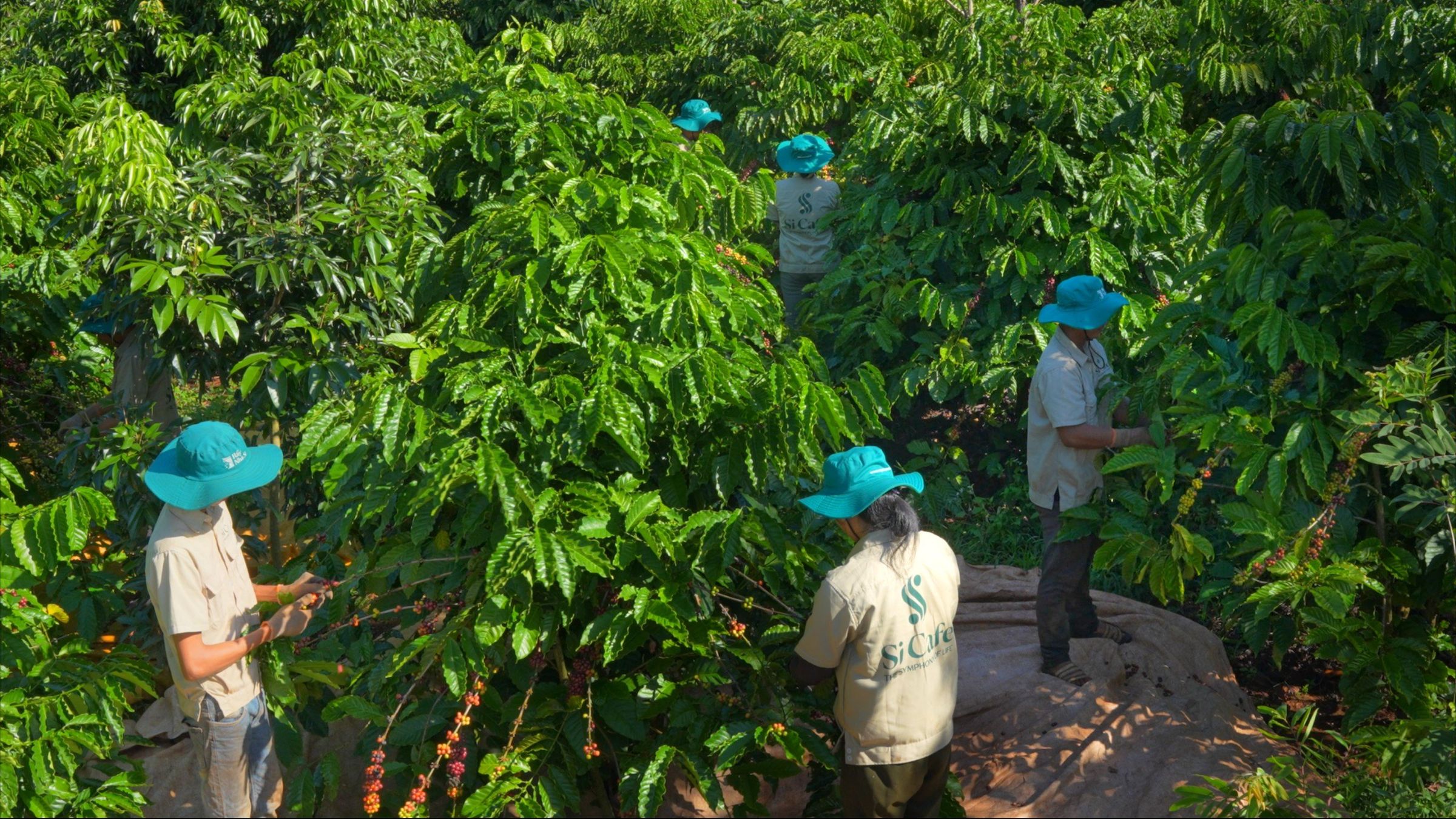
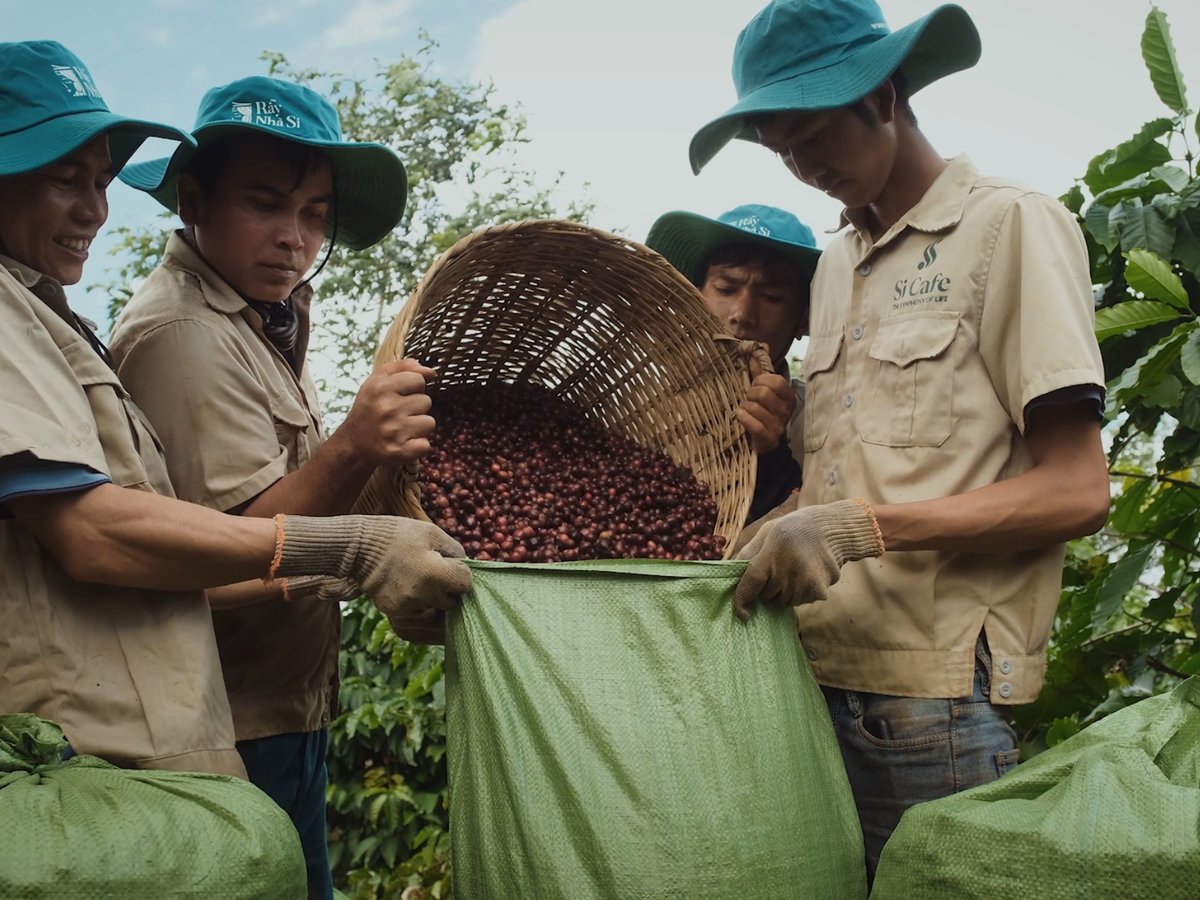
Watch the trees and the ripening fruit, and decide when to pick. Rather than stripping everything at once, harvest in several passes as maturity progresses. Sort what comes in, and remove the unripe, the overripe and anything likely to damage quality. Only then does processing begin.
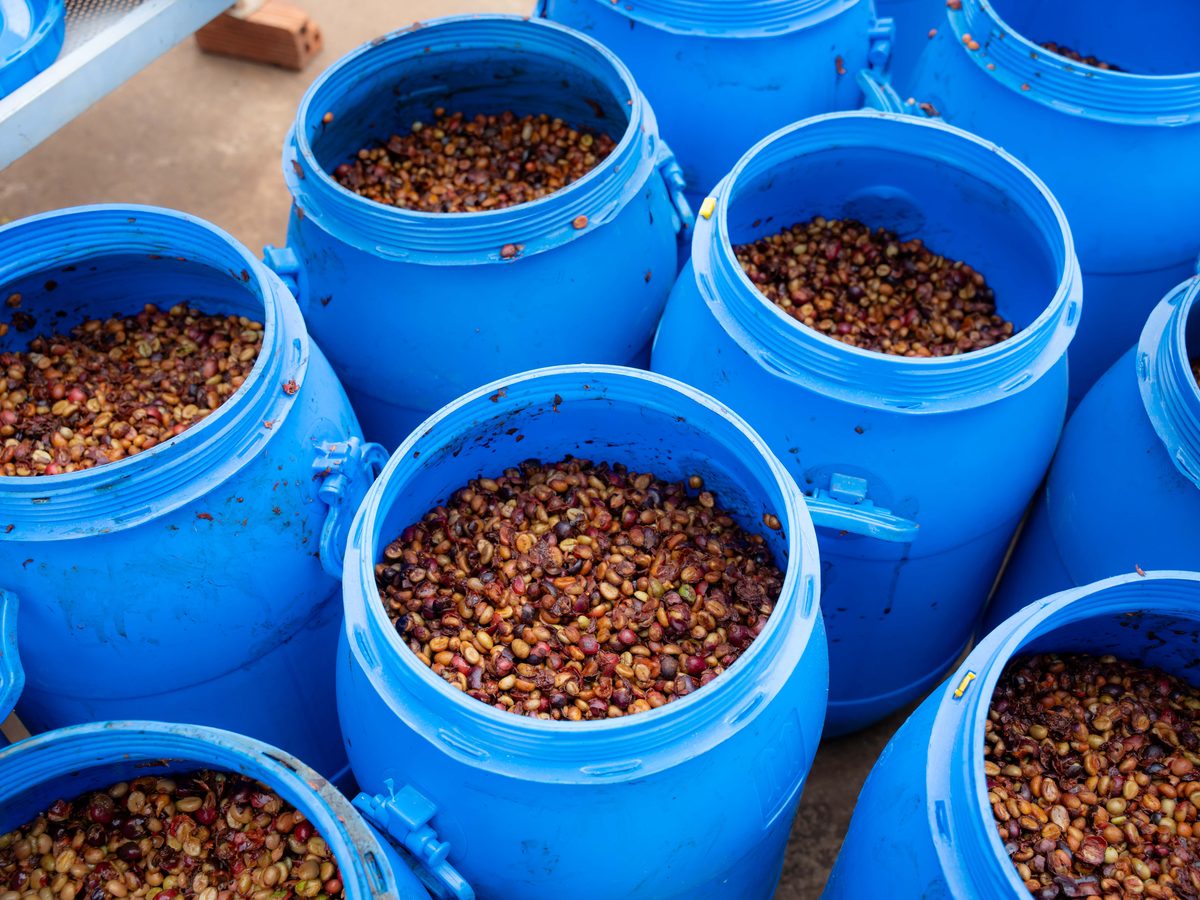
Natural, Honey, Washed. The name of a process explains nothing about quality on its own. Two naturals differ by the state of the cherry, by time, by temperature, by how fermentation moved, by drying conditions. So we keep the stages separate lot by lot and record as much of the passage as we can.
We do not process in order to record. We record in order to make the next harvest better.
What we are after in processing is not added intensity. It is understanding what the cherry already has, what the tree has, and what Cư M'gar has, and finding the method that suits each lot. Good processing is not the name of a process. It is the precision of the judgements on the way there.
01
Harvest
Ripe cherries selected, picked over several passes as maturity progresses.
- Ripeness standard:
- TBC
- Brix:
- TBC
- Method:
- Selective, multiple passes
02
Sorting
Sorted after picking to decide what moves on to the next stage.
- Float sorting:
- Yes
- Hand sorting:
- Unripe and overripe removed
- Cherry to processing:
- TBC
03
Fermentation
Method chosen to suit the lot and the cup we are aiming for.
- Process:
- Natural / Honey / Washed
- Time, temperature:
- Recorded per lot
- pH:
- TBC
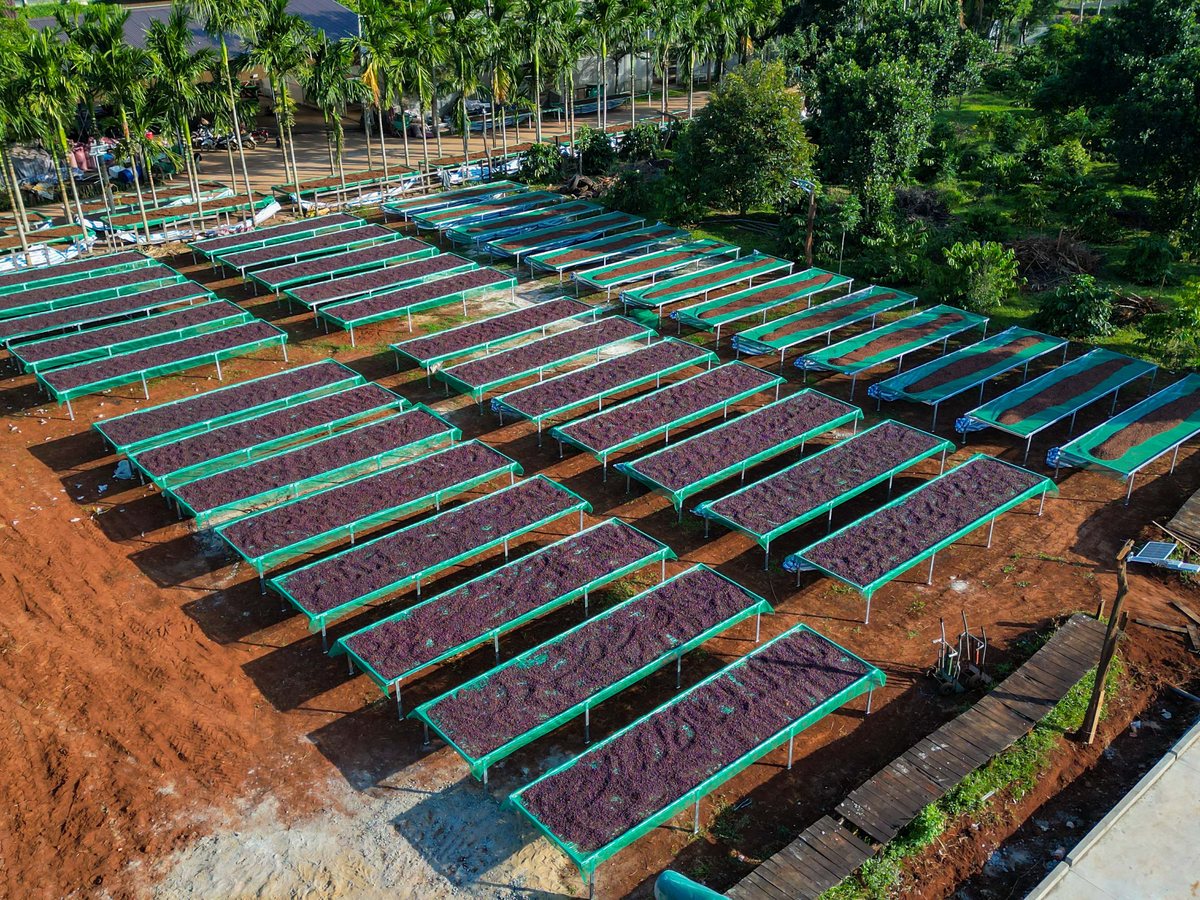
04
Drying
Dried lot by lot, with the condition checked as it goes.
- Method:
- TBC
- Days:
- Recorded per lot
- Final moisture, aw:
- Measured
From harvest to cup
HARVEST→SELECTION→PROCESSING→DRYING→CUPPING→FARM
The harvest is divided into lots, processed, dried and cupped, and what we learn goes back into the next year's growing and picking. Repeating that cycle every year is how Si Farm's Fine Robusta moves forward.
06 / This season's lots
The coffee this land made this year.
CROP YEAR 2026
Within one farm and one species, the tree, the block, the week of picking and the processing all change what appears in the cup. We keep those differences rather than blending them away, and manage the harvest as lots so each coffee can be traced to where and how it was made.
Alongside the cup score we publish what we have confirmed for each lot — cup profile, harvest, processing, drying, moisture, water activity. The character a number cannot carry, and the quality only a number can show. Both matter.
| Lot | Source | Block | Species / Selection | Process | Harvest | Moisture | aw | Cup profile | Score | Qty |
|---|---|---|---|---|---|---|---|---|---|---|
| R-01 | Own farm | TBC | C. canephora | Yellow Honey | TBC | TBC | TBC | TBC | TBC | 10,000 kg |
| R-02 | Own farm | TBC | C. canephora | Natural, in-cherry fermentation | TBC | TBC | TBC | TBC | TBC | 5,000 kg |
| R-03 | Own farm | TBC | C. canephora | Natural, microbial fermentation | TBC | TBC | TBC | TBC | TBC | 7,000 kg |
Own farm and partner farm
Not every lot comes from our own trees. We also buy cherries from partner farms in the region, and every lot is marked with which.
What we buy is ripe cherry only. Sorting, fermentation, drying and grading all happen at Si Farm, under the same standard we apply to our own harvest. The ripeness threshold we ask of a partner is the same one we pick to ourselves.
We do not blend own-farm and partner coffee into one lot. Keeping them separate is how the record stays true.
Lot detail
For each lot we keep as much of the production background as we can confirm. It stays with the coffee when it ships.
- Origin
- Cư M'gar, Đắk Lắk, Vietnam
- Block
- Cultivation block
- Species / selection
- Species, and the line or selection as managed on the farm
- Harvest
- Harvest window and ripeness standard
- Process detail
- Fermentation, sorting and drying record for the lot
- Moisture / aw
- Final moisture and water activity
- Cup profile
- The main characteristics confirmed for that lot
- Score
- Cupping evaluation — protocol and assessor to be confirmed before publishing
- Quantity
- Production volume and availability
Not only the score
A cup score is one useful way to check quality. It is not how we decide what a coffee is worth.
Which block it grew in. Which trees it came from. When it was picked and how it was processed. And what character showed up in the cup as a result. A lot is all of that together.
Where a competition or external evaluation result belongs to a clearly identified lot, we publish it alongside the production record.
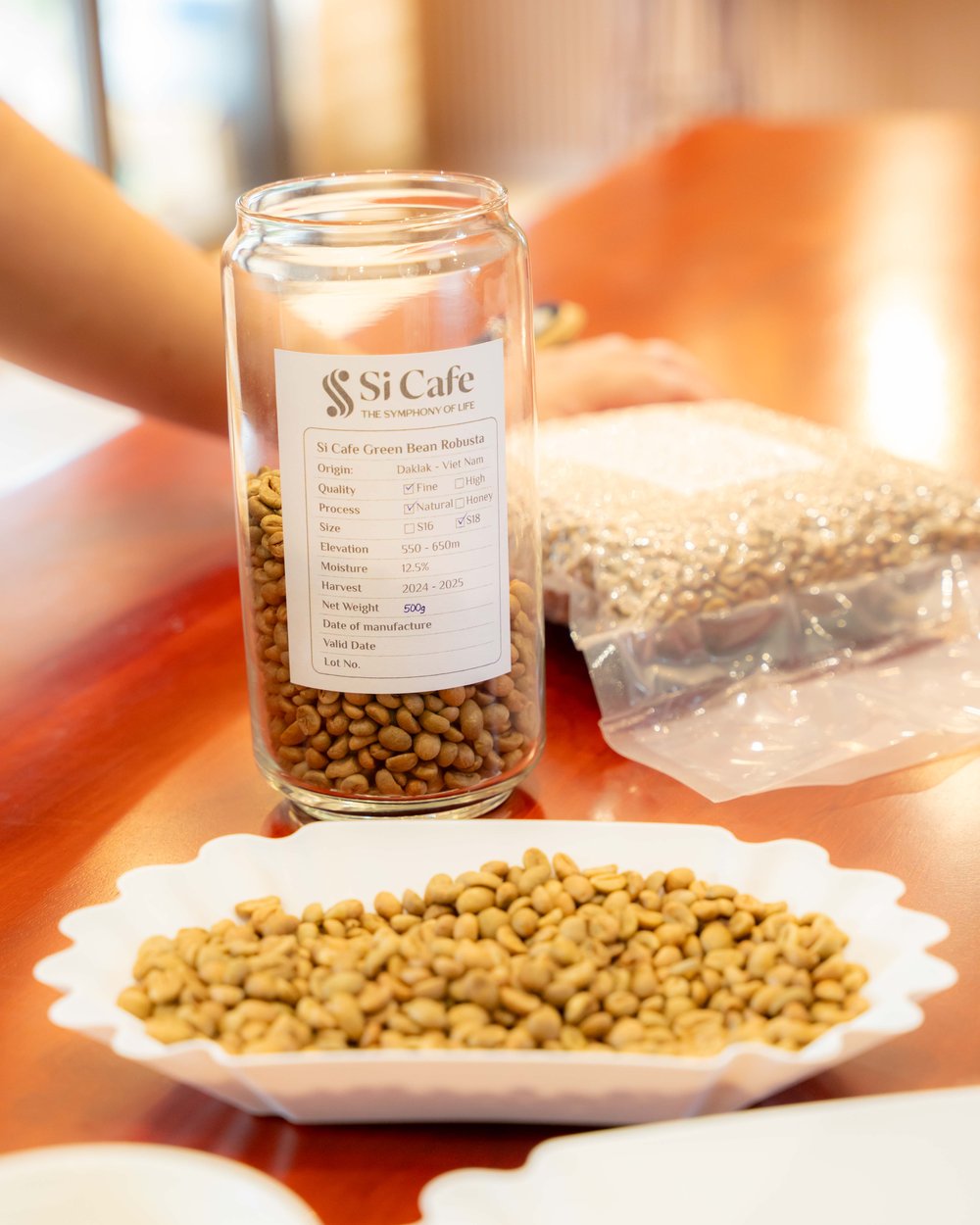
For roasters, importers & buyers
Samples by lot.
Tell us which lots interest you and we will prepare samples. We can also discuss cup profile, quantity, price, and export and trading terms.
07 / The farm ecosystem
Not a farm that grows only coffee.
Coffee trees are not the only thing standing in rows here. Tall trees stand among the rows and coffee grows beneath them, with low plants covering the ground. Plants of different heights, different rooting depths and different roles share the same land.
What we are aiming at is not a place that grows one crop efficiently, but a farm that holds together because many plants and living things are involved with each other.
Agroforestry, for Si Farm, is not only the name of a growing method. Trees that soften strong sun. Plants covering the ground. Roots at various depths through the soil. The insects, birds and microbes living there. And the coffee that grows inside that environment.
We watch each of those relationships, and think about keeping the whole farm in good condition over a long time.
- 01 / Upper
- The upper canopy softens strong sun and forms part of the environment around the coffee. Shade is managed against the season — wind, rain and dryness all change what the trees below need.
- 02 / Middle
- Beneath the canopy, the coffee ripens more slowly than it would in open sun. We have tried other crops in this layer — cacao among them — and dropped what did not suit the ground. What stays is what the land and the coffee are better for.
- 03 / Ground
- The ground is not left bare. Cover plants, legumes among them, maintain the soil environment and keep the farm's vegetation varied. We do not treat every weed as something to be removed; we look at what a plant is doing here before deciding.
- 04 / Soil
- Below the visible farm is another environment: red soil weathered from basalt, roots reaching into it at different depths, organic matter, microbes, water. Growing a tree is also growing the soil that holds it up.
Tall trees, shade trees
Coffee trees
Cover plants
Basalt, and the life in it
We do not manage nature too closely.
Si Farm is not trying to control nature completely. We watch the relationships between the plants and the living things here, work with that balance as far as we can, and put a hand in where one is needed.
- No reliance on chemical pesticides
- Keeping the planting diverse, watching the condition of the whole farm including pests and disease, and working towards management that does not depend on chemical pesticides.
- 要確認 — actual usage and management to be confirmed, wording finalised after.
- Not chasing maximum yield
- Maximising a single harvest is not the purpose of the farm. Tree health, soil condition, growth in the years that follow, and cup quality — we look at the balance between them.
- Keeping the planting varied
- Shade trees, ground cover and other plants are part of the farm, not obstacles to it. What we grow alongside the coffee has changed over the years — we keep what serves the soil and the trees, and stop what does not.
- 要確認 — list the crops currently grown alongside coffee before publishing.
Sustainability is also about people
A sustainable farm is not only soil, trees and environment.
That the people working here can work with security. That they can accumulate experience and knowledge. That the work connects to life in the region. And that the next generation can picture a future on this land.
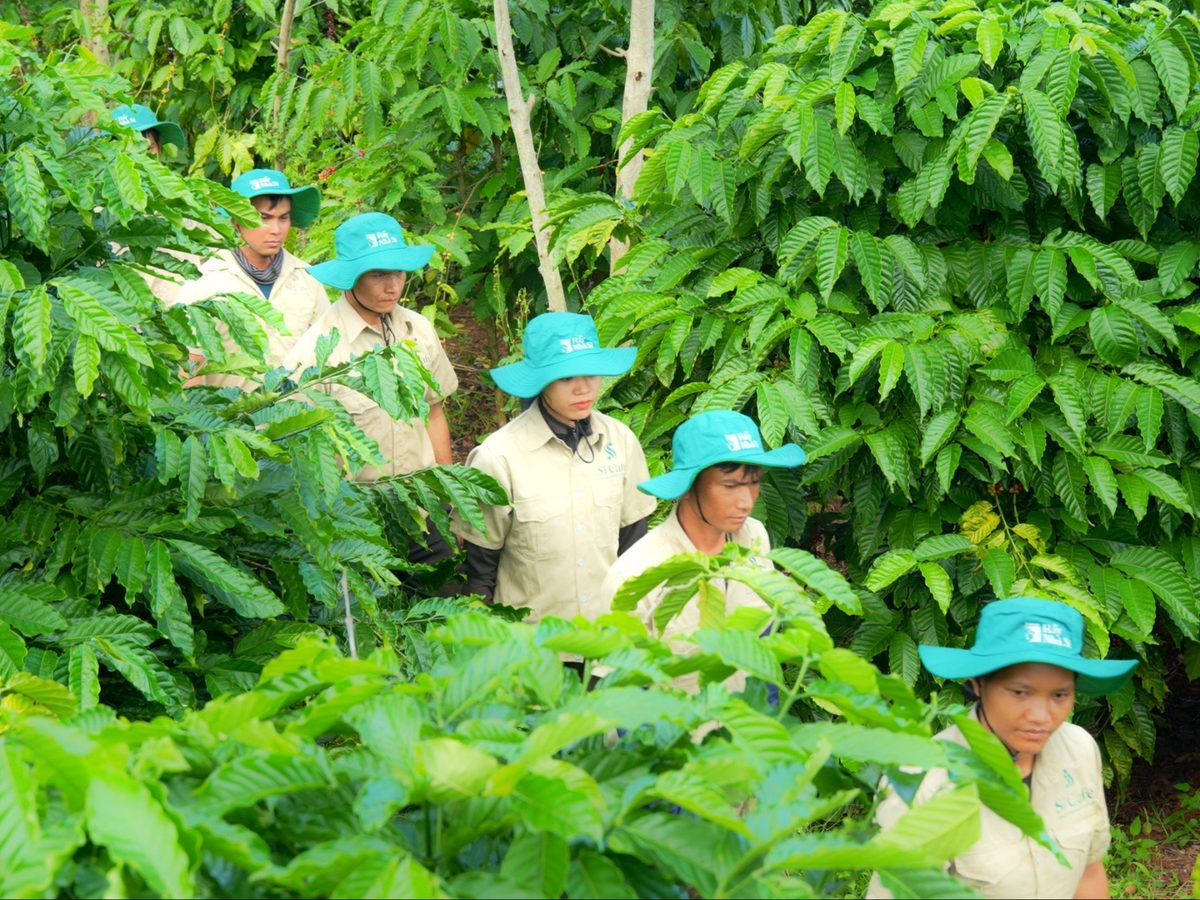
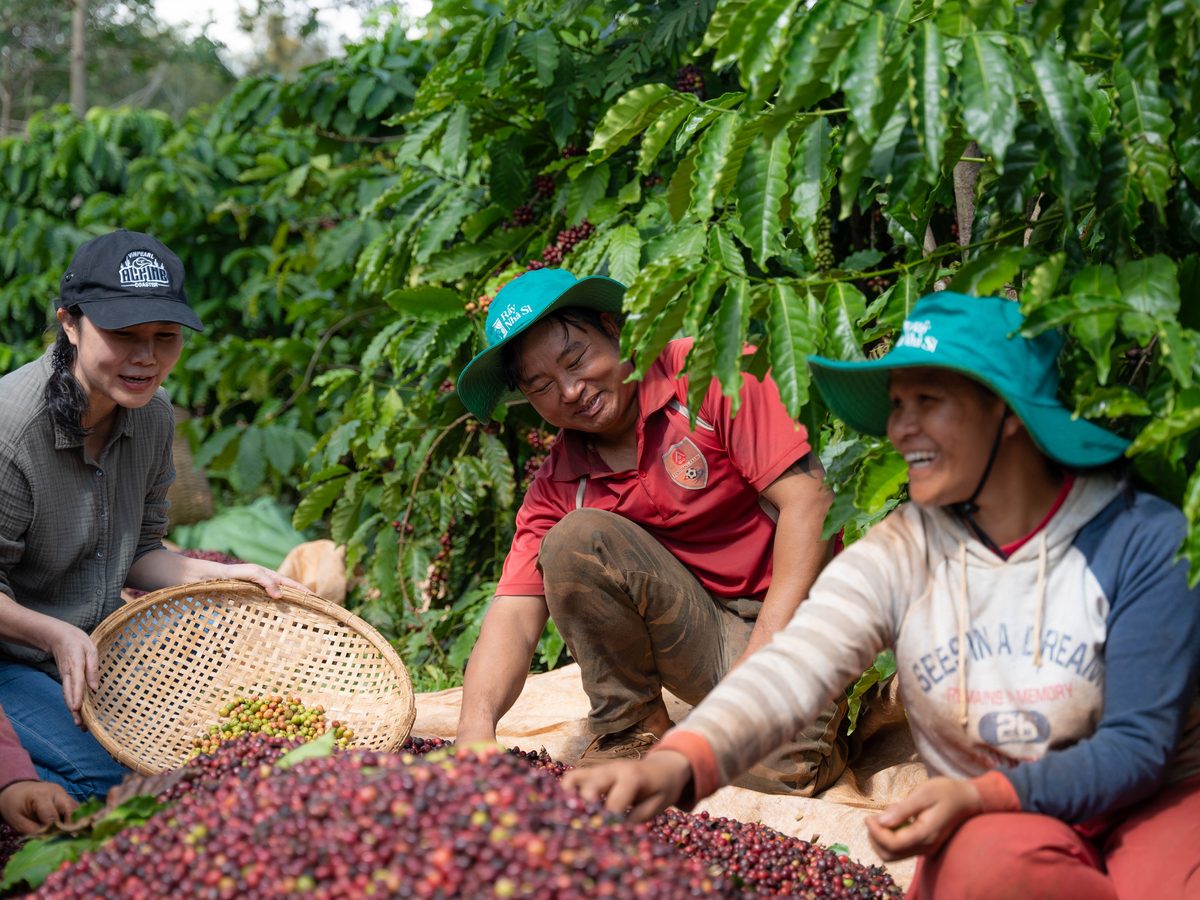
The people on the farm are not simply labour. They look at the trees every day, handle the soil, feel the season change — that experience is a real part of what makes our quality.
So we do not separate respect for nature from respect for people.
Healthy soil grows healthy trees. A healthy farm produces good work. Good work, accumulated, makes good coffee. And that cycle is passed to the next generation.
That is what a sustainable farm means to Si Farm.
08 / Field notes
Not only the answers. The way there, too.
There is a great deal on the farm that has no answer yet. When flowering comes. How fast cherries mature. The difference between trees in the same block. How rain falls and how the soil changes. A small adjustment in processing and the cup that appears at the end of it.
The farm can look the same every year, but no two years are the same.
So we record the way to a result, not only the result. Observe. Try something. Record. Cup. Then go back to the farm. What did not turn out as expected is as useful for the next decision as what did.
The farm teaches us something small nearly every day. Not letting those changes pass — keeping them as photographs, as words, as data — is what these notes are.
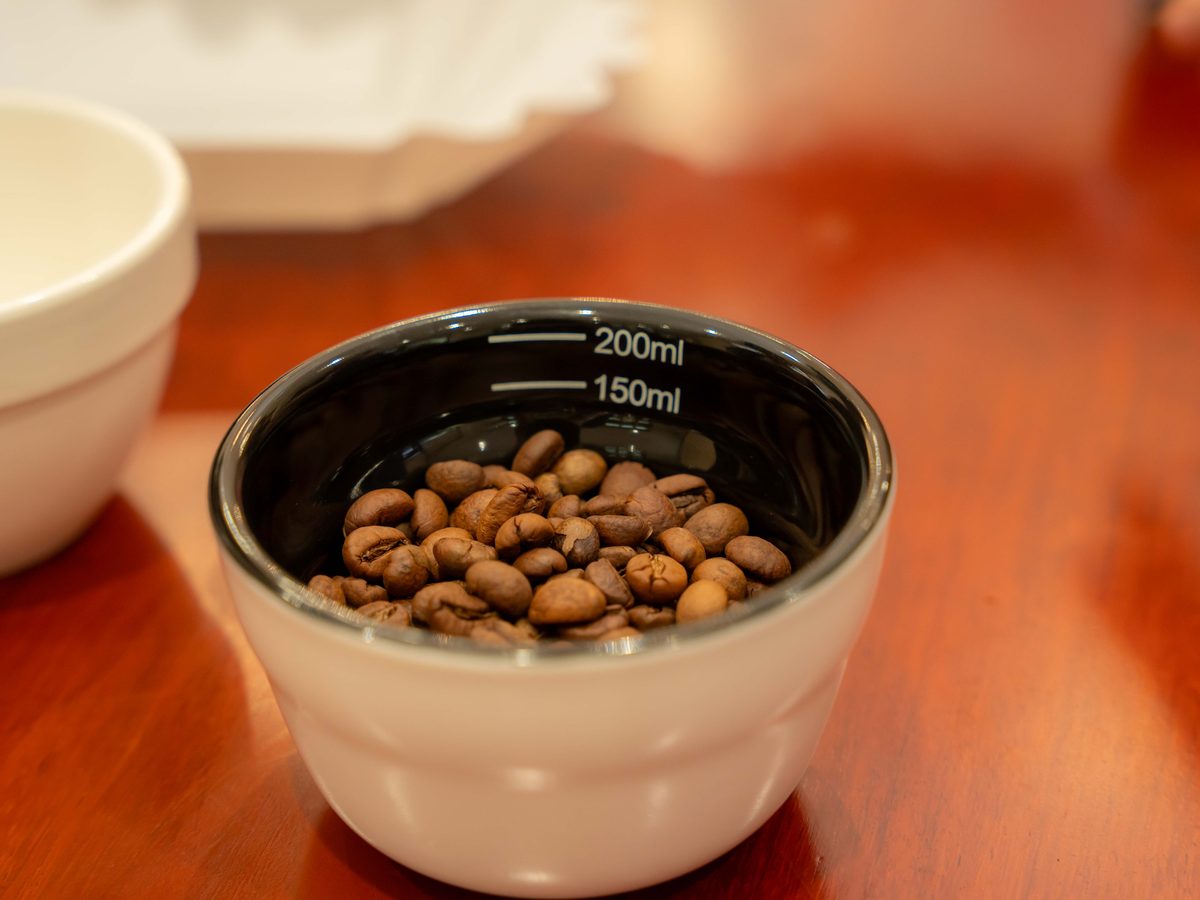
2026.08.22 / CUPPING
Block A Natural — cupping the trial lots
How does the cup change when cherries from the same block are processed differently? We compared the trial lots and took the answer back into the next processing.
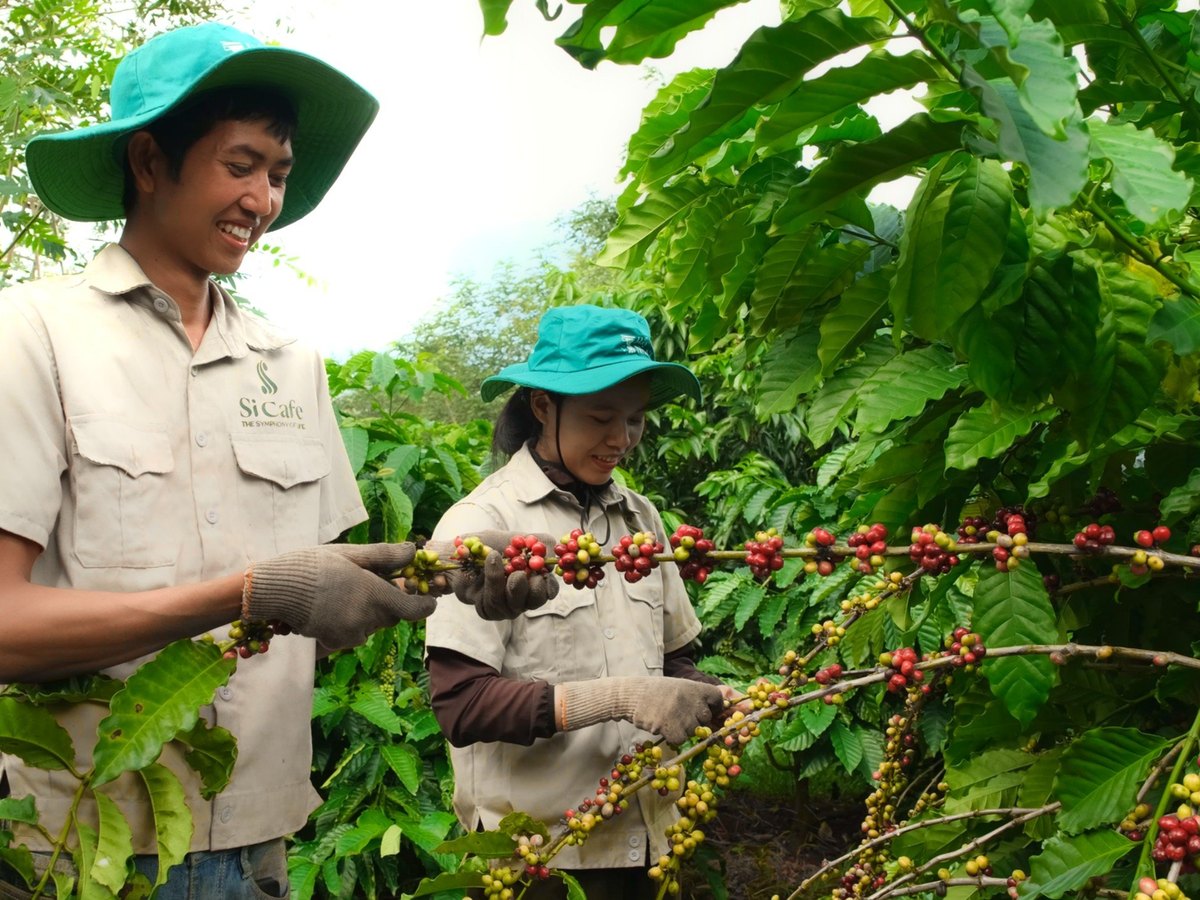
2026.08.09 / PLANTS
Trees with differently shaped leaves, in the same block
Walk the farm daily and trees with distinct characteristics turn up within the same species. Leaf, shoot, habit, cherry, ripening. We record before we name.
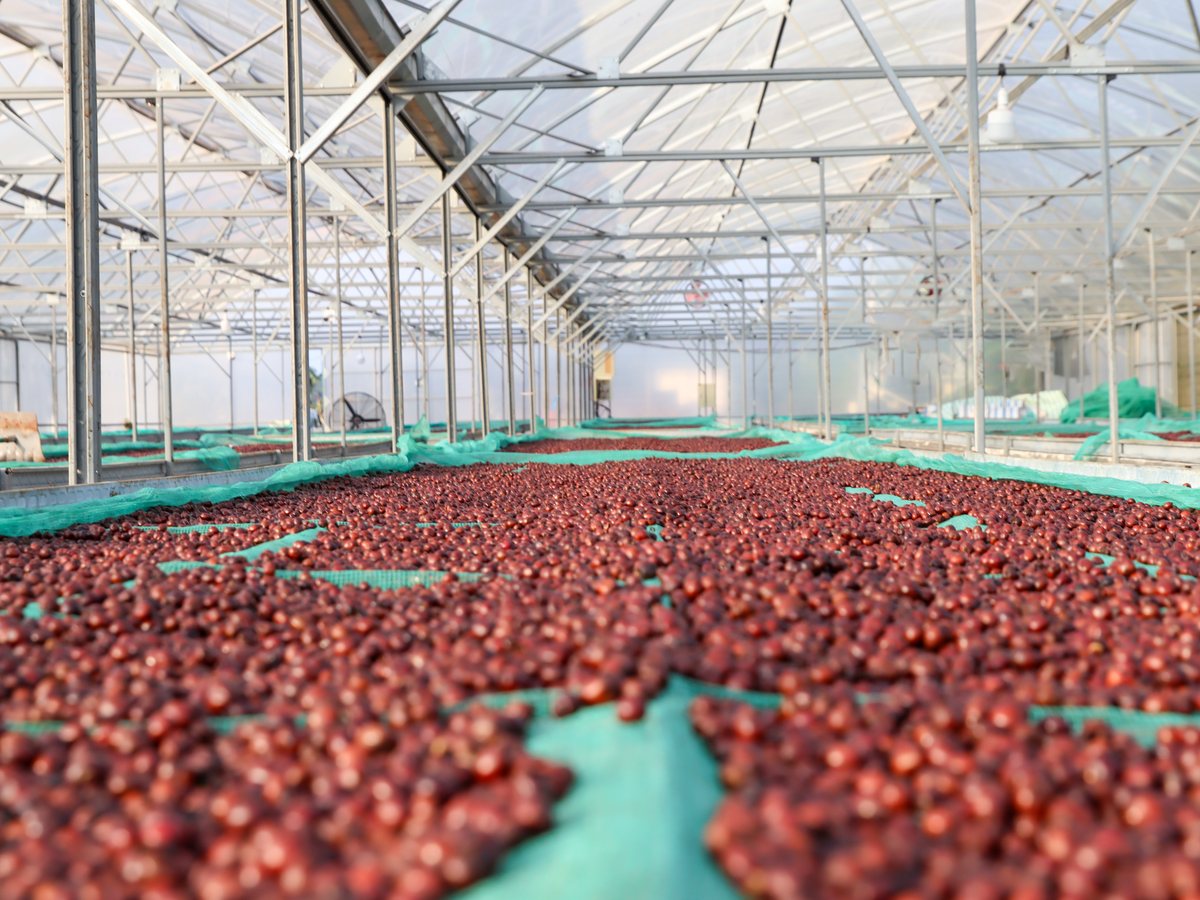
2026.07.30 / SEASON
The rains have come — this year's fruit set
Rainfall, flowering, the growth of the cherries. The farm's expression shifts with the season. We are recording this year's state and following it to harvest.
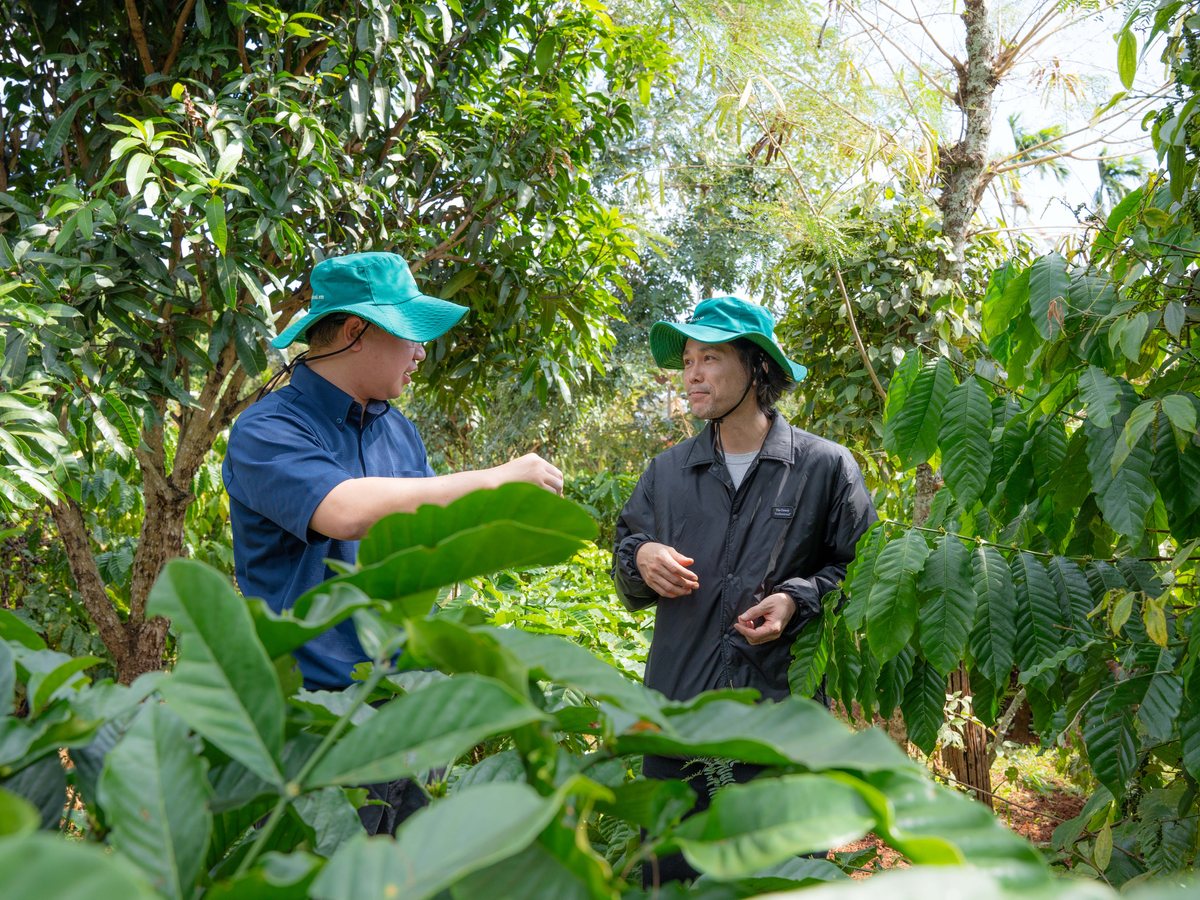
2026.07.11 / ECOSYSTEM
How much shade is the right amount
Tall trees soften the sun, but shade is not free — too much and the fruit sets poorly. We watch it block by block through the season, and adjust.
From observation to the next season
One record is often not an answer. So we look at the same place next year. We look at the same tree again. We try the same method under different conditions. Records accumulated slowly become knowledge — and that knowledge goes into growing, into harvest, into processing, and to the next generation. Recording is also a way of growing the coffee of the future.
09 / Beyond the farm
From the farm to a cup. And onward.
Our work does not end when the coffee is harvested. It begins with the land, grows the trees, picks the cherries, processes and dries them. Only when that coffee is roasted and becomes a cup does the work accumulated on the farm reach a person as flavour.
And from that cup, a new conversation starts. What a roaster noticed. What a buyer reports back. What a drinker says. What cupping reveals as a new possibility.
What we get from that goes back to the farm, into the next growing, the next harvest, the next processing.
FARM→CUP→PEOPLE→FARM
We think of the farm and the cup as a circle that keeps turning, not a line that ends.
SI CAFÉ / SI CUP
From the farm, as a cup
Si Farm's story began at Si Café. A place that started by looking for good coffee across Vietnam and serving it eventually created a farm, and now serves the coffee it grows itself — roasted with the background of how it was grown and processed.
Si Café →JAPAN
Another reading of the same coffee
The work in Japan is not only importing and selling. Si Farm Japan Edition looks at the same coffee again through Japanese roasting, and treats selection, roast, flavour and packaging as one expression. Neither version is the standard the other is measured against.
要確認 — a commercial arrangement, not website copy. To be agreed between Si Farm and the Japan side before this is published.
Si Farm Japan →VISIT
Seeing coffee at the farm
Some things photographs and figures do not carry. Red soil. The height of the trees. Light under the shade. Cherries ripening. Where processing happens. And the people who work here. We also learn from the conversations visits bring, and take that back to the farm.
Visiting →From one cup to the future
Si Farm began with a cup of coffee. Wanting to serve something better led to the land on the other side of the cup, and made a farm at Cư M'gar. There we have been learning the soil, the trees, the diversity within Coffea canephora, and what the people here know — looking for what Fine Robusta can be.
But building a farm was not the answer. Every year the trees grow. The seasons change. There are new findings. And there are still things we do not understand. So we observe, record, try, cup, and return to the farm.
WE GROW ROBUSTA.
WE STUDY IT.
WE CONTINUE TO IMPROVE IT.
We are growing the coffee of the future.